

Weather-Resistant Materials Play an Important Role in Extending Awning Lifespan
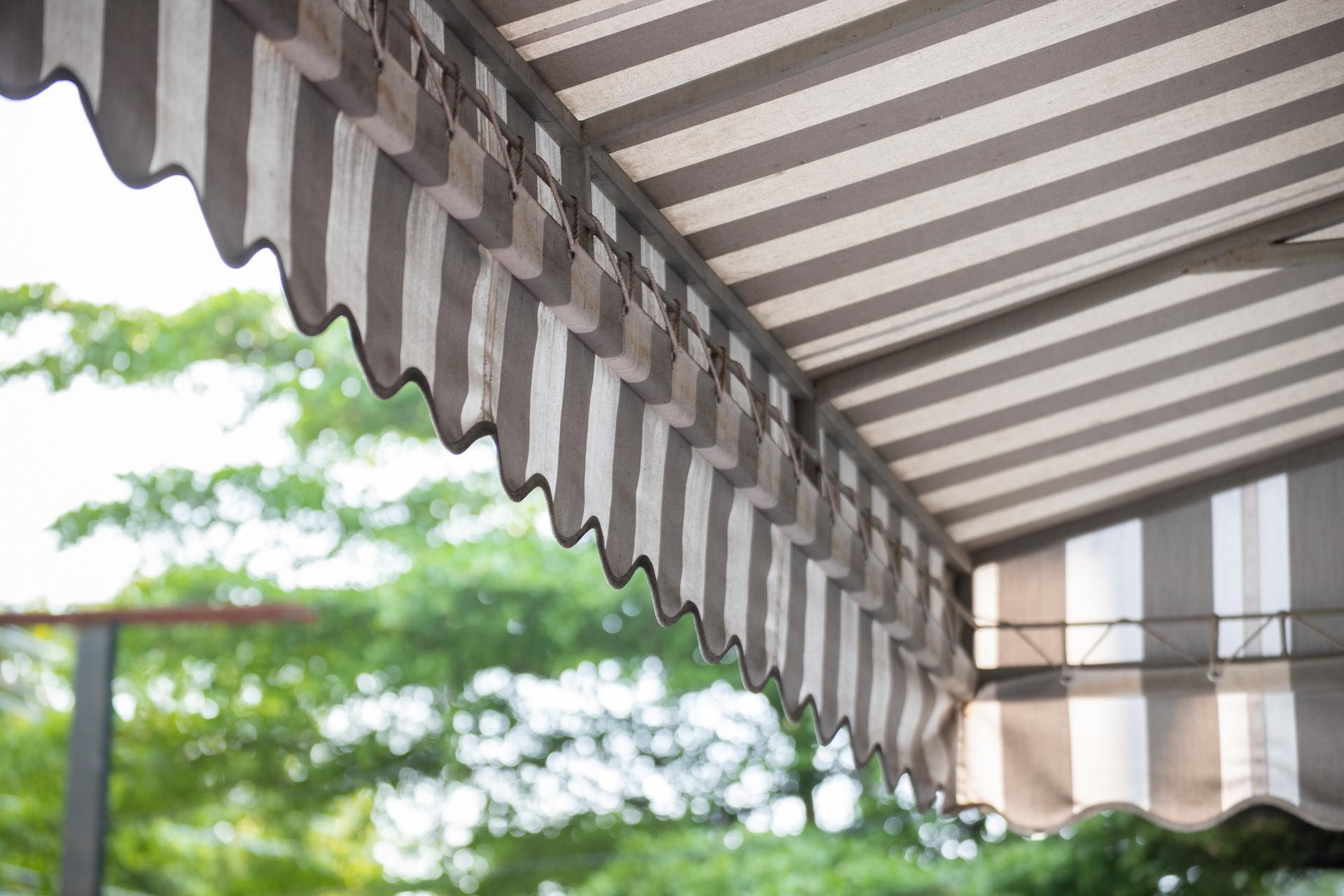

Fabrics designed to resist ultraviolet exposure and moisture play a role in maintaining the condition of awning coverings”
BATON ROUGE, LA, UNITED STATES, March 19, 2026 /EINPresswire.com/ -- Outdoor awnings are commonly used on residential and commercial buildings to provide shade, reduce solar exposure, and protect exterior entryways or windows from weather conditions. Because awnings remain exposed to environmental elements throughout the year, the materials used in their construction significantly influence how well they perform over time. Weather-resistant fabrics, structural components, and protective coatings help support the durability and longevity of these exterior installations.— Michael Matthews
Awnings function as protective coverings mounted above windows, doors, patios, and walkways. The primary structure typically includes a metal frame that supports a fabric or synthetic covering stretched across the frame. This covering shields areas below from sunlight, rain, and other environmental factors.
Outdoor installations face continuous exposure to changing weather conditions. Sunlight, moisture, wind, and temperature fluctuations can gradually affect the condition of outdoor materials. For this reason, manufacturers often design awnings using materials specifically developed to withstand prolonged exposure to these elements.
Fabric selection represents one of the most significant factors affecting awning longevity. Modern awning fabrics are often constructed from acrylic, polyester, or vinyl-coated materials designed to resist ultraviolet radiation from the sun. Ultraviolet exposure can weaken fibers and cause fading or deterioration over time if fabrics lack protective properties.
Weather-resistant fabrics often incorporate UV inhibitors or protective coatings that help reduce the effects of prolonged sunlight exposure. These treatments support color stability and help maintain the structural integrity of the fabric surface during extended outdoor use.
Moisture resistance also plays an important role in awning durability. Rainwater frequently contacts awning surfaces, and moisture retention within fabrics can lead to long-term deterioration if materials absorb water easily. Weather-resistant fabrics are typically treated to repel water, allowing rain to run off the surface rather than soak into the material.
Water resistance also helps prevent the development of mildew or mold in humid climates. When fabrics shed water efficiently and dry quickly, conditions that promote microbial growth become less likely to develop within the material.
Frame materials contribute to overall awning performance as well. Aluminum and galvanized steel are commonly used for structural components due to their resistance to corrosion. Outdoor installations exposed to rain, humidity, and temperature changes require structural materials capable of maintaining strength without significant degradation.
Protective coatings applied to metal frames help further reduce corrosion risk. Powder-coated finishes or specialized paint treatments create a barrier between metal surfaces and environmental moisture. These coatings help extend the lifespan of structural components that support the awning fabric.
Wind resistance is another important consideration for outdoor awnings. In many regions, seasonal storms or strong winds place stress on exterior structures attached to buildings. Awning designs often incorporate reinforced frames, tension systems, and mounting hardware designed to secure the installation during windy conditions.
The ability of materials to withstand repeated environmental stress contributes to the long-term stability of the installation. Frames and fabrics must respond to changing temperatures, wind forces, and moisture exposure without excessive wear or structural fatigue.
According to Michael Matthews, President and Chief Executive Officer of Awning World in Baton Rouge, Louisiana, the materials used in awning construction influence how installations perform when exposed to environmental conditions.
“Awnings remain exposed to sunlight, rain, and changing weather throughout the year,” said Matthews. “Weather-resistant materials help protect the fabric and structural components so the installation can continue performing as intended over time.”
Matthews noted that the combination of fabric treatments and structural materials often determines the durability of outdoor awning systems.
“Fabrics designed to resist ultraviolet exposure and moisture play a role in maintaining the condition of awning coverings,” Matthews said. “Frame materials and protective coatings support the stability of the structure that holds the fabric in place.”
Maintenance practices also contribute to the longevity of awnings. Periodic cleaning removes environmental debris such as dust, pollen, and leaves that may accumulate on fabric surfaces. Removing buildup helps prevent staining and allows the fabric to maintain its intended appearance.
Inspection of mounting hardware and structural supports also helps identify potential wear or loosened components. Addressing minor issues early can prevent more significant damage to the installation over time.
Climate conditions may influence the selection of awning materials. In regions with high humidity or frequent rainfall, moisture-resistant fabrics and corrosion-resistant frames become particularly important. Areas with strong sunlight benefit from fabrics designed with enhanced ultraviolet resistance.
The relationship between material selection and environmental exposure highlights the importance of weather-resistant design in outdoor architectural features. Awnings installed on commercial storefronts, residential patios, and entryways must withstand constant interaction with environmental forces.
Advances in textile manufacturing and metal finishing technologies have expanded the range of materials available for outdoor installations. Modern fabrics and coatings are engineered to maintain strength and appearance even after extended exposure to sunlight and weather.
Through the use of weather-resistant materials, awnings continue serving their functional role in providing shade and shelter for exterior spaces. These materials help support the structural and visual longevity of installations designed to remain outdoors in varying environmental conditions.
Morgan Thomas
Rhino Digital, LLC
+1 504-875-5036
email us here
Visit us on social media:
Facebook
Legal Disclaimer:
EIN Presswire provides this news content "as is" without warranty of any kind. We do not accept any responsibility or liability for the accuracy, content, images, videos, licenses, completeness, legality, or reliability of the information contained in this article. If you have any complaints or copyright issues related to this article, kindly contact the author above.
