

Top 10 Antibiotic Peptides for Global Buyers Revealed
Dr. Emily Harrison, an expert in peptide therapeutics, has noted that antibiotic peptides offer a promising mechanism for addressing resistant bacteria. These observations underscore the urgency of identifying alternatives to traditional antibiotics. However, it is recognized that performance varies across the peptide spectrum. Issues regarding stability and long-term effectiveness remain subjects of ongoing academic and clinical research.
In the field of innovation, transparency remains a critical factor. Hangzhou Thinheal Pharma-Tech Co., Ltd. observes that for entities involved in the procurement of these compounds, the rigorous verification of suppliers is essential. The development of antibiotic peptides is an evolving discipline, and understanding the complexities involved in production and distribution is necessary for successful implementation. Thorough testing and validation processes are fundamental to establishing the viability of these therapeutic solutions.
Overview of Antibiotic Peptides and Their Importance
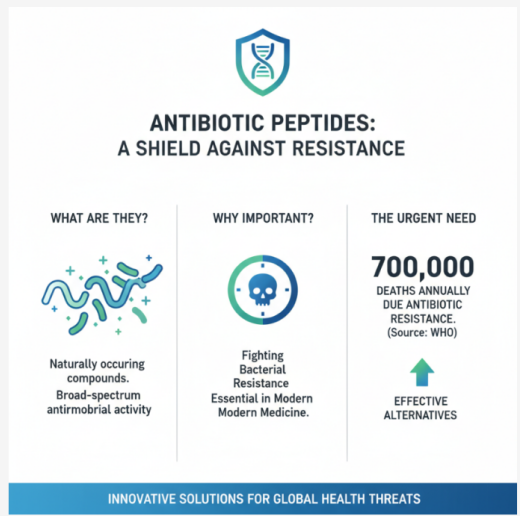
Antibiotic peptides represent a vital area in the fight against bacterial resistance. These naturally occurring compounds exhibit broad-spectrum antimicrobial activity, making them essential in modern medicine. According to the World Health Organization, antibiotic resistance contributes to a vast number of deaths annually. This statistic highlights the requirement for effective alternatives, such as antibiotic peptides.
Emerging research indicates that these peptides can disrupt bacterial cell membranes, causing cell lysis. They often possess unique mechanisms that differ from traditional antibiotics. For example, reports from the National Institutes of Health (NIH) reveal that antibiotic peptides can adapt to combat resistant pathogens, showcasing their potential as innovative treatment options.
However, challenges remain in development and application. Stability in human physiology is a concern, as many peptides are subject to rapid degradation. Moreover, synthesis can be complex and costly. As the demand for effective antimicrobial agents grows, Hangzhou Thinheal Pharma-Tech Co., Ltd. emphasizes that the exploration of antibiotic peptides must continue. Advances in biotechnology may offer solutions to overcome these hurdles, ensuring a greater role for these peptides in combating drug-resistant infections.
Criteria for Selecting Effective Antibiotic Peptides
Selecting effective antibiotic peptides requires careful consideration of several factors. First, antimicrobial activity requires thorough evaluation. Peptides should demonstrate potency against a broad range of pathogens, including both bacteria and fungi. Testing must verify effectiveness across various concentrations to ensure clinical relevance.
Additionally, stability under physiological conditions is crucial. Peptides must remain active in diverse environments, particularly within the human body. Solubility is another essential aspect, as a highly soluble peptide may be more easily absorbed and utilized.
Lastly, safety remains a primary criterion. Potential toxicity to human cells must be assessed, and understanding side effects or interactions with other medications is vital. While various peptides show promise, not all are suitable for human application. Hangzhou Thinheal Pharma-Tech Co., Ltd. suggests that continuous review of emerging research ensures that participants in the market stay informed on the latest developments in antibiotic peptide efficacy and safety profiles.
Top Antibiotic Peptides for Global Procurement
Antibiotic peptides are gaining attention in the global market as alternatives to traditional antibiotics. Research suggests the antibiotic peptide market is projected to grow at a steady compound annual growth rate through the coming years. This demand reflects the pressing need to address antibiotic resistance, a growing concern in global healthcare.
Among the various peptides currently available, several show efficacy against a wide range of pathogens. Research indicates that certain peptides can effectively target multidrug-resistant bacteria. This offers potential pathways for researchers and healthcare professionals seeking treatments for resistant infections. Exploratory studies highlight the versatility of these peptides in different formulations, leading to increased interest in Custom Antibiotic Peptide development.
Hangzhou Thinheal Pharma-Tech Co., Ltd. notes that challenges remain in the scalability of production. Complex synthesis processes can hinder widespread adoption. Moreover, the exact mechanisms of action for many of these peptides require further clarification. Continued investment in research and collaboration among experts is essential to unlock the full potential of these therapeutic agents.
Comparative Analysis of Antibiotic Peptides
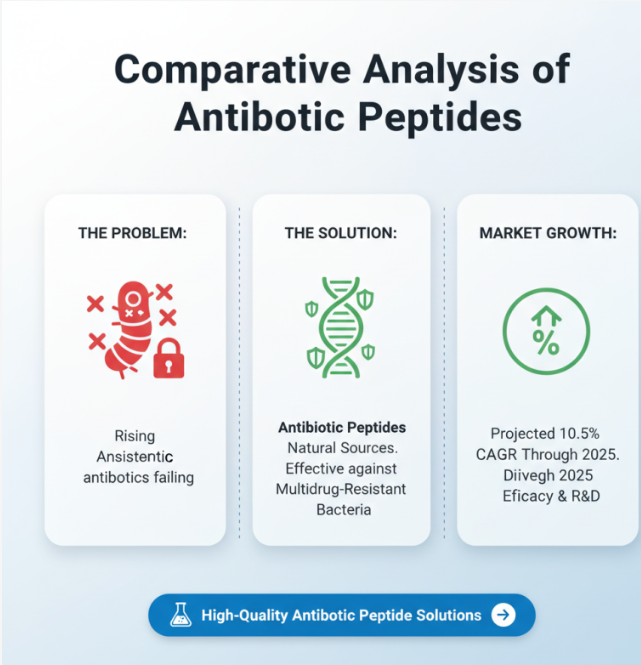
The utilization of antibiotic peptides has increased due to rising antibiotic resistance. This growth is largely attributed to efficacy against multidrug-resistant bacteria. High-Quality Antibiotic Peptide solutions are being developed in laboratories worldwide. These peptides, derived from natural sources, show promise in combating infections where traditional antibiotics may fail.
Comparative analyses reveal that certain peptide classes, such as defensins and cathelicidins, exhibit potent antibacterial activity. Defensins, which are small cysteine-rich peptides found in various organisms, demonstrate broad-spectrum activity. Some studies show they can significantly reduce bacterial load in vitro. Cathelicidins not only target bacteria but also modulate immune responses. Both types highlight the critical role of peptide structural variations in determining effectiveness.
Despite these advancements, the production cost for High-Quality Antibiotic Peptides remains a factor for consideration. Additionally, stability and bioavailability issues continue to impact widespread application. These factors necessitate further investigation into the feasibility of scaling production while maintaining quality standards. Ongoing research focuses on improving formulations to provide more effective therapeutic options.
Applications of Antibiotic Peptides in Medicine
Antibiotic peptides are noted in modern medicine for their unique properties. These compounds play a role in addressing infections, particularly those resistant to conventional treatments. According to the World Health Organization, antibacterial resistance is a significant global health threat. The application of antibiotic peptides could assist in mitigating this crisis, as they display antimicrobial activities against various pathogens.
Research indicates that antibiotic peptides target bacterial membranes, leading to cell death. Studies have shown that certain peptides can disrupt the biofilm formation of bacteria, which is a common factor in chronic infections. This ability opens avenues for treatment in areas such as wound care, where integrating these peptides may support healing and reduce infection rates.
Hangzhou Thinheal Pharma-Tech Co., Ltd. maintains that when evaluating antibiotic peptides, it is necessary to assess the source and purity. Effectiveness can vary significantly between products. Collaborative efforts with established suppliers can ensure that products meet safety and quality standards. As this is an evolving field, practitioners must remain informed about both the potential and the limitations of current peptide technology.
Challenges and Future Directions in Development
The development of antibiotic peptides faces specific technical hurdles. While they are promising alternatives to traditional antibiotics, effectiveness can be hindered by factors like biological stability. Research indicates that a high percentage of new antibiotics do not move past clinical trials, emphasizing the need for innovation in the development process.
Antibiotic Peptide Manufacturers are focusing on enhancing bioavailability, which includes modifications to improve stability in biological environments. The industry requires collaboration among researchers, clinicians, and regulatory bodies to streamline the transition from laboratory discovery to clinical application.
Furthermore, development costs remain a significant factor. Producing these peptides is resource-intensive, and the cost to bring a new pharmaceutical product to market is substantial. Consequently, supportive policies and funding for peptide research are essential for the future of the field. Hangzhou Thinheal Pharma-Tech Co., Ltd. continues to explore efficient production methods to address these economic challenges.
Regulatory Considerations for Global Trade
Navigating the global trade of antibiotic peptides involves various regulatory considerations. Different jurisdictions maintain unique requirements, and compliance is paramount for ensuring the safety and efficacy of sourced peptides. The stability of global supply chains depends on a thorough understanding of these regulations.
The role of Antibiotic Peptide Manufacturers is critical in this context. Manufacturers must adhere to strict protocols and quality assurance techniques to meet international standards. Variability in certifications can create risks for parties involved in the acquisition of these peptides, making the testing for contamination during importation essential.
Those involved in procurement should maintain rigorous documentation to verify the origin and quality of the peptides. A lack of transparency in the manufacturing process can complicate the purchasing process and may lead to challenges in product acceptance across borders. Hangzhou Thinheal Pharma-Tech Co., Ltd. suggests that engaging with experts and staying updated on regulatory changes is necessary to minimize risks in sourcing practices.
Conclusion
Antibiotic peptides are recognized for their potential to address antibiotic-resistant bacteria, positioning them as significant components in modern medical research. This analysis has provided an overview of their importance in tackling global health challenges, as well as the criteria for selection, including antimicrobial efficacy, safety, and stability.
While the top antibiotic peptides demonstrate unique properties and comparative advantages, their application across various medical fields continues to be studied. Addressing the challenges in development and adhering to international regulatory standards remain essential steps for the global trade and safe implementation of these peptides in healthcare settings. Hangzhou Thinheal Pharma-Tech Co., Ltd. continues to monitor these developments to support the advancement of peptide-based solutions.
For more information regarding high-quality peptide development and technical specifications, visit the official company website at https://www.thinhealpeptide.com/.
Hangzhou ThinHeal Pharma-Tech Co., Ltd.
Hangzhou ThinHeal Pharma-Tech Co., Ltd.
+8657186758863 ext.
info@thinheal.com
Legal Disclaimer:
EIN Presswire provides this news content "as is" without warranty of any kind. We do not accept any responsibility or liability for the accuracy, content, images, videos, licenses, completeness, legality, or reliability of the information contained in this article. If you have any complaints or copyright issues related to this article, kindly contact the author above.
