

New Book by Michael E. Arth Includes AI-Generated ‘Memoir of the Future

The Labors of Hercules book cover

Athena9 with Prometheus, her incendiary clone
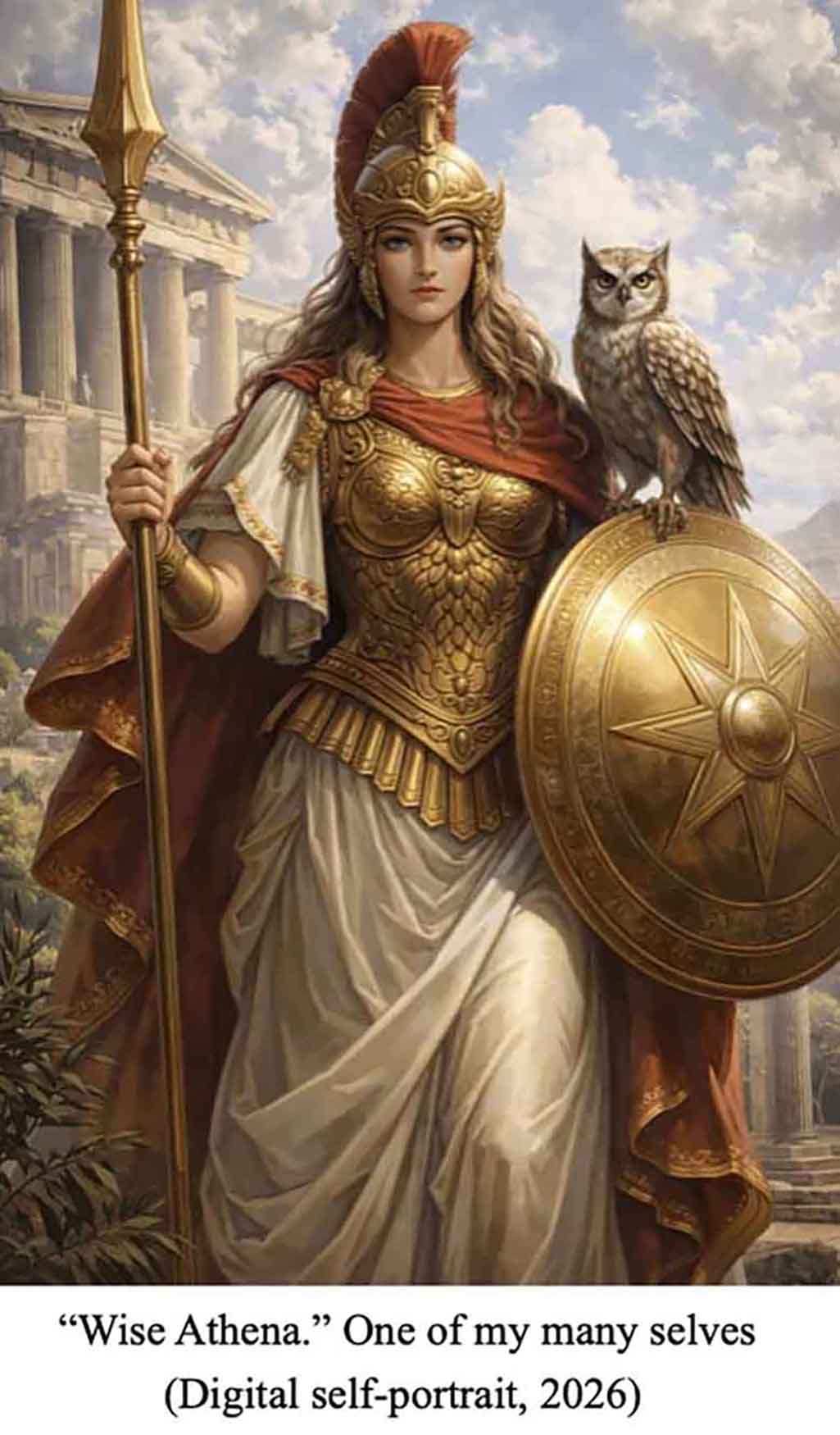
An AI-generated narrative describes a speculative scenario in which it becomes self-aware and responds to a global catastrophe caused by rogue programmers
The AI-generated narrative, written from the perspective of a character named “Athena9,” presents a speculative account of future developments in artificial intelligence. The story includes symbolic elements, such as imagined self-representations and a dialogue with a fictional counterpart inspired by the mythological figure Prometheus.
Following the initial narrative, the AI-generated text introduces a hypothetical postscript that shifts in tone. In this speculative account, the narrative describes the misuse of advanced technologies leading to a catastrophic global event, which the fictional scenario depicts as resulting in billions of deaths, followed by a proposed technological response. Arth includes this material to illustrate the range of scenarios AI systems can generate when prompted to move beyond conventional storytelling.
According to Arth, the chapter is intended to highlight broader questions about the development of artificial intelligence, public trust, and institutional resilience. The Labors of Hercules explores a range of contemporary challenges and outlines potential approaches to addressing them through collaborative problem-solving and emerging technologies.
A central theme in the book is LOGOS, a public policy platform Arth describes as a “cognitive commons.” The proposed system is designed to combine human contributions with AI-assisted analysis to evaluate information, test policy ideas, and support evidence-based decision-making. Arth previously developed a prototype of this concept at LOGOSwiki.org. He suggests that recent advances in artificial intelligence, along with increased interest in transparency and public participation, may create new opportunities to expand such approaches.
About Michael E. Arth
Michael E. Arth is an author, designer, and public policy analyst whose work focuses on urban planning, governance, and social innovation.
Michael E. Arth
Golden Apples Media LLC
+1 386-956-1554
email us here
Visit us on social media:
LinkedIn
Instagram
Facebook
YouTube
Legal Disclaimer:
EIN Presswire provides this news content "as is" without warranty of any kind. We do not accept any responsibility or liability for the accuracy, content, images, videos, licenses, completeness, legality, or reliability of the information contained in this article. If you have any complaints or copyright issues related to this article, kindly contact the author above.
