

Oklahoma Senate Passes Blake Burgess Blood Clot Prevention Act, Sending Life-Saving Legislation to Governor Stitt

Blake Burgess, whose death from a blood clot inspired his family's fight for the Blake Burgess Blood Clot Prevention Act, now awaiting Governor Stitt's signature.
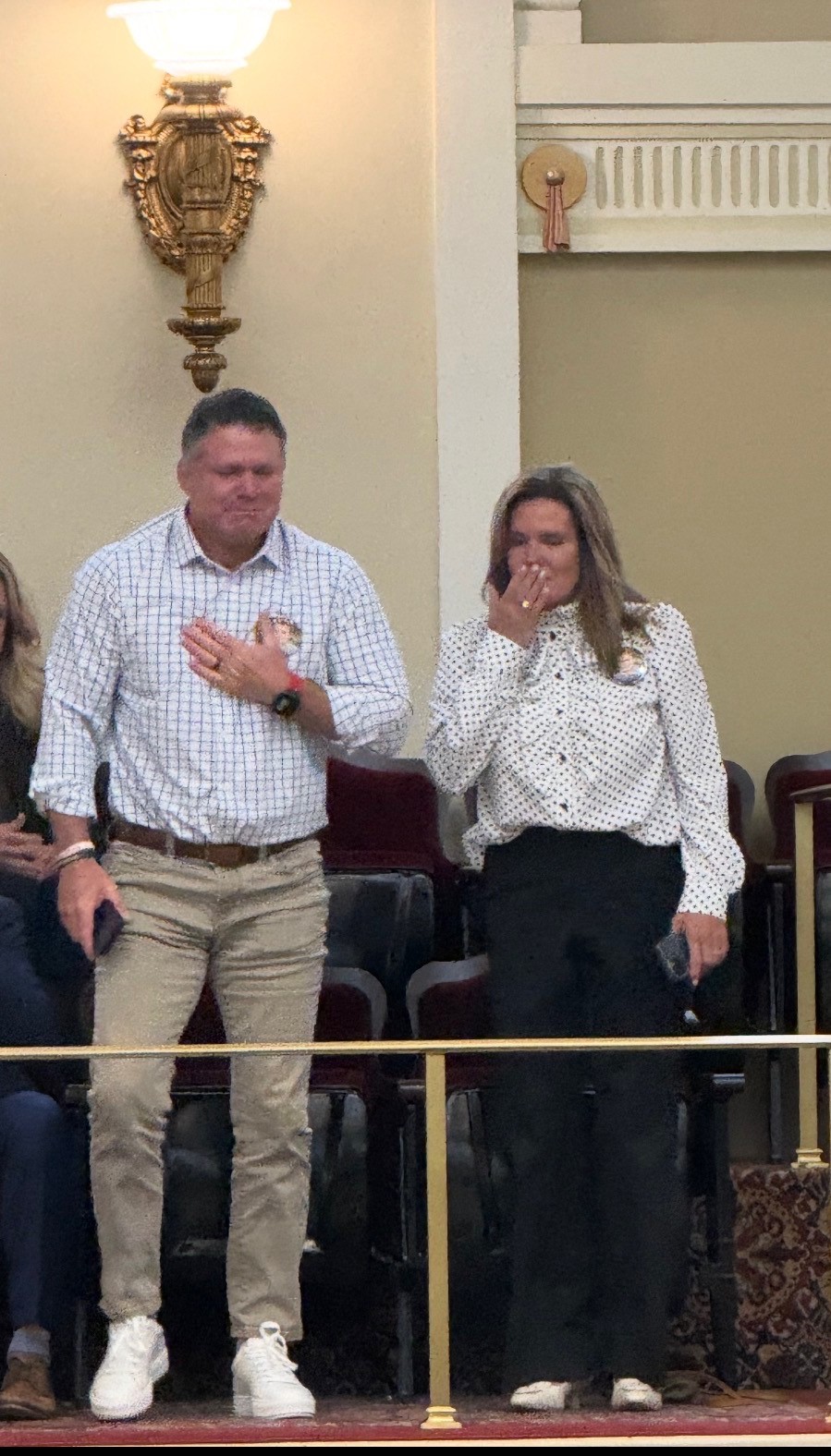
Bob and Karrie Burgess, whose son Blake died from a blood clot, reflect on the Oklahoma Senate's passage of the Blake Burgess Blood Clot Prevention Act.
The Blake Burgess Blood Clot Prevention Act heads to Governor Stitt-and with it the chance to save thousands of Oklahoman's lives from preventable blood clots
The bill is named in memory of Blake Burgess, a 21-year-old Oklahoman who died from a blood clot in his lungs in 2020 — a tragedy that should never have happened. Blake's death, like so many blood clot deaths each year, was potentially preventable with proper awareness, screening, and rapid response protocols in place.
Since losing Blake, their only son, the Burgess family has refused to let his death be in vain — speaking at community events, engaging legislators, and partnering with the National Blood Clot Alliance — driven by one purpose: to ensure no other Oklahoma family receives the devastating phone call they did. Their advocacy transformed personal grief into a statewide call to action, and today that call was answered.
What the Blake Burgess Act Does
The bill takes a comprehensive approach to reducing preventable blood clot deaths across Oklahoma. The legislation requires all hospitals with emergency departments and ambulatory surgical centers to establish formal policies and procedures for identifying patients at risk of blood clots and responding swiftly when risk is detected. It mandates annual training for clinical staff — ensuring that nurses, technicians, and support personnel are equipped to recognize the warning signs of blood clots and act immediately.
The bill also directs the Oklahoma State Department of Health to establish a statewide VTE registry — tracking outcomes, monitoring compliance with nationally recognized medical guidelines, and generating the kind of real-world data that will not only improve care in Oklahoma but inform blood clot prevention policy across the country-positioning Oklahoma as a leader in blood clot prevention.
A Family's Mission: No More Preventable Losses
At the heart of the Blake Burgess Blood Clot Prevention Act is the Burgess family, who turned the most unimaginable loss into a relentless mission to protect others. After Blake died, they stepped forward — speaking openly about what happened, meeting with lawmakers, educating their community, and partnering with the National Blood Clot Alliance to amplify their message statewide. They showed up to committee hearings, made phone calls, shared Blake's story with anyone who would listen, and refused to let the urgency of this issue fade. Every step of this legislative journey bears their fingerprints.
The Blake Burgess family's advocacy is a testament to what grieving families can accomplish when they channel their pain into purpose. They turned one devastating loss into a law that will protect thousands of Oklahomans for generations to come. The National Blood Clot Alliance is honored to have stood beside them every step of the way.
A Silent Crisis: Why This Law Is Urgently Needed
Blood clots are one of the most underrecognized health crises in America. Blood clots — which includes deep vein thrombosis (DVT) and pulmonary embolism (PE) — claim 100,000 American lives each year. Every six minutes, someone in this country dies from a blood clot, making it the leading cause of preventable death in hospitalized patients. Yet despite these staggering numbers, no federal law requires standardized blood clot prevention protocols in U.S. hospitals. Patients have been left vulnerable — not because the science is unclear, but because the policy hasn't caught up. The Blake Burgess Act changes that in Oklahoma.
Oklahoma: Cutting-Edge, Forward-Looking, and Setting the National Standard
While Washington has yet to act on blood clot prevention, Oklahoma is not waiting. With the passage of the bill, Oklahoma positions itself at the absolute forefront of a national movement to modernize how hospitals identify and respond to one of medicine's most preventable killers. This is not incremental policy — it is a structural shift in how the state protects its patients.
The statewide blood clot registry alone puts Oklahoma ahead of nearly every state in the country. By building a data infrastructure around blood clot outcomes, Oklahoma will be able to measure what works, identify where gaps remain, and continuously improve standards of care in real time. This is exactly the kind of evidence-based, forward-thinking governance that turns one state's innovation into a national model.
HB 3644 follows the 2025 passage of Florida's landmark Emily Adkins Family Protection Act — the pioneering state-level blood clot law that ignited this national movement. Together, Florida and Oklahoma are demonstrating that states don't have to wait for federal action to save lives. They are charting a course that legislatures across the country are now watching — and will follow.
A Call to Governor Stitt
The National Blood Clot Alliance calls on Governor Kevin Stitt to sign the Blake Burgess Blood Clot Prevention Act into law. His signature will honor Blake's memory, fulfill the promise the Burgess family fought so hard to keep, and deliver life-saving protections to every Oklahoman. Oklahoma has already shown the nation what courageous, forward-looking leadership looks like — one signature will make it law. NBCA also recognizes the legislative champions who made this possible: Rep. Preston Stinson (R-Edmond), author; Sen. Kelly Hines, Principal Senate Author; and Rep. Nick Archer, coauthor and the bipartisan support it overwhelmingly received from the Oklahoma Senate.
Teresa Bordeaux
National Blood Clot Alliance
+1 703-935-8874
info@stoptheclot.org
Visit us on social media:
LinkedIn
Instagram
Facebook
YouTube
TikTok
X
Legal Disclaimer:
EIN Presswire provides this news content "as is" without warranty of any kind. We do not accept any responsibility or liability for the accuracy, content, images, videos, licenses, completeness, legality, or reliability of the information contained in this article. If you have any complaints or copyright issues related to this article, kindly contact the author above.
