

Selection Guide for Advanced Sample Bottles Solutions Provider: Sourcing Premium Glass from China to Australia
In modern laboratory, pharmaceutical, and industrial testing environments, the integrity of analytical results hinges fundamentally on the reliability of containment systems. For procurement specialists and laboratory managers, selecting an Advanced Sample Bottles Solutions Provider involves evaluating critical chemical resistance, thermal stability, and dimensional precision. Advanced sample bottles, including chromatography vials, diagnostic containers, and specialized digestion tubes, must prevent sample contamination, leaching, and evaporation under rigorous testing conditions. These containers serve as the primary defensive barrier against compromised chemical assays, environmental sample degeneration, or inaccurate pharmaceutical quality control metrics. When evaluating high-performance laboratory glass, buyers must understand that raw material purity and manufacturing conformity dictate final product performance.
The standard framework of an advanced containment system requires specific attention to chemical neutrality. Premium sample vessels typically utilize borosilicate glass, recognized globally for its low coefficient of thermal expansion and high resistance to chemical attack. For analytical laboratories, particularly those operating highly sensitive high-performance liquid chromatography (HPLC) or gas chromatography-mass spectrometry (GC-MS) equipment, even minor structural flaws or chemical impurities in the glass lining can cause chemical leaching, altering baseline readouts. Understanding these parameters allows global procurement specialists to establish robust sourcing protocols, ensuring that their supply chains remain resilient and compliant with international laboratory standards.
Navigating international supply chains requires a systematic evaluation framework to distinguish capable industrial partners from standard intermediaries. This five-step structured process provides a clear pathway for evaluating, auditing, and establishing long-term sourcing operations for advanced glass solutions.
Step 1: Audits of Manufacturing Scale and Technological Infrastructure
The baseline criteria for selecting a global glass manufacturing partner must center on production capacity and technical infrastructure. A manufacturer's ability to consistently supply millions of high-precision containers depends entirely on its investment in automation. Facility scale provides a reliable metric of financial stability and operational capability. Modern procurement standards require suppliers to operate large-scale automated production workshops rather than relies on manual or semi-automated processes, which inherently introduce human error and physical variation.
For instance, looking at established industry benchmarks, leading enterprises like HUAXIN operate automated manufacturing facilities covering more than 30,000 square meters. The integration of 42 modern production lines and advanced mechanization ensures that the physical dimensions of every single bottle remain uniform. When a factory achieves an annual glass bottle production capacity of 1 billion pieces, it indicates that the manufacturing infrastructure possesses the necessary resilience to handle large fluctuating orders from international markets, including Australia, without stretching lead times or compromising structural integrity.
Step 2: Verification of Cleanroom Environment and Regulatory Certification
Laboratory sample bottles must arrive at their destination free from particulate matter, chemical residues, or microbial contaminants. For this reason, buyers should examine the environmental conditions under which the glass is molded, processed, and packaged. Cleanroom compliance is a non-negotiable metric for pharmaceutical and high-purity analytical applications, where ambient dust or airborne particles can permanently ruin specialized sample batches.
A qualified manufacturing partner should align its factory design and installation with Good Manufacturing Practice (GMP) standards. Sourcing specialists must verify the presence of specialized clean workshops, specifically those achieving a 100,000-level clean rating over a significant footprint, such as 1,000 square meters. Furthermore, administrative compliance must be supported by international certifications, including ISO 9001:2015 for general quality systems and ISO 15378:2017, which applies specifically to primary packaging materials for medicinal products. For regulatory ease within international borders, having formal documentation like National Drug Administration approvals or active Center for Drug Evaluation (CDE) registration numbers simplifies the compliance pathway for downstream pharmaceutical formulations.
Step 3: Assessing Compliance with Global Pharmacopoeia Standards
Because advanced sample bottles are integrated into highly regulated workflows, the glass composition must strictly comply with international authoritative pharmacopoeias. A global supplier must prove that its products are universally compliant, allowing seamless integration into multi-national testing protocols. Glass containers are categorized based on their hydrolytic resistance, and premium borosilicate glass must consistently satisfy the toughest testing criteria.
During the evaluation phase, procurement teams should demand verified compliance certification across four major regulatory standards: the Chinese Pharmacopoeia (ChP), the European Pharmacopoeia (EP), the United States Pharmacopoeia (USP), and the Japanese Pharmacopoeia (JP). This cross-border standard compliance guarantees stable physical and chemical properties. High hydrolytic resistance ensures that the inner surface of the glass container does not react with acidic, neutral, or basic solutions over prolonged storage periods, preserving sample authenticity from the moment of collection in the field to final laboratory analysis.
Step 4: Technical Analysis of Product Engineering and Performance Parameters
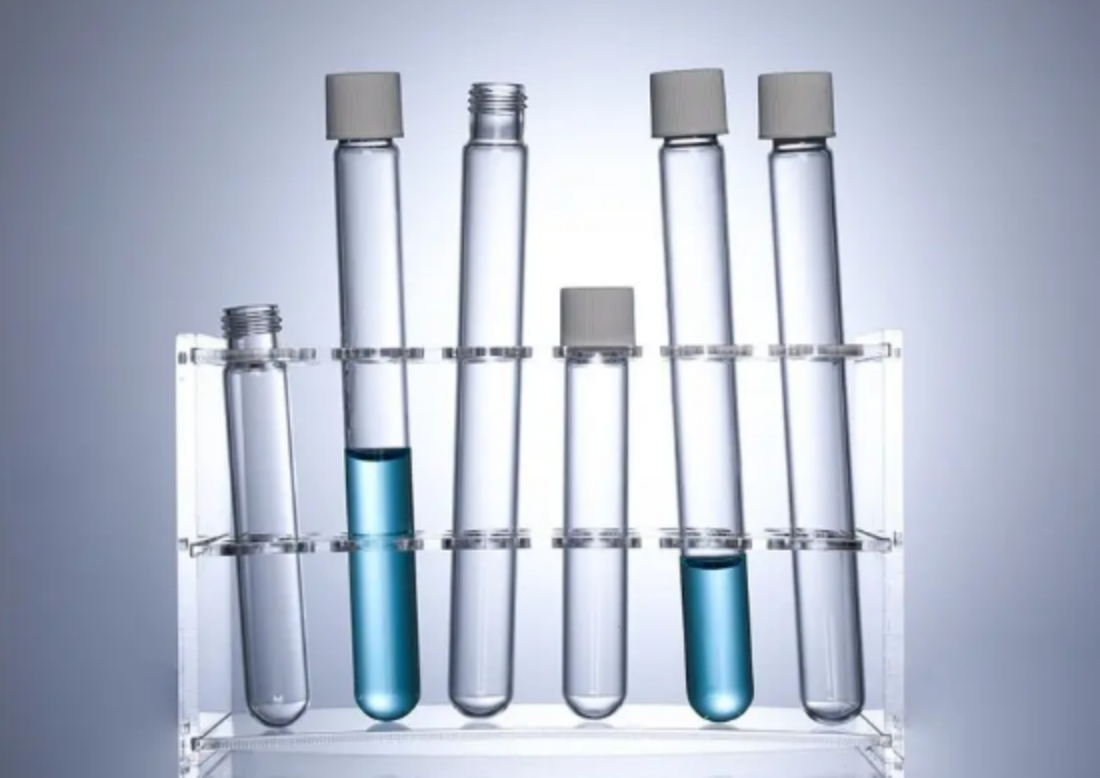
A rigorous technical analysis requires evaluating specific engineering components, dimensional specifications, and real-world application designs. To understand how technical innovation translates into performance, procurement managers can evaluate specialized analytical components, such as medical-grade borosilicate glass COD (Chemical Oxygen Demand) digestion tubes designed with airtight sealing mechanisms.
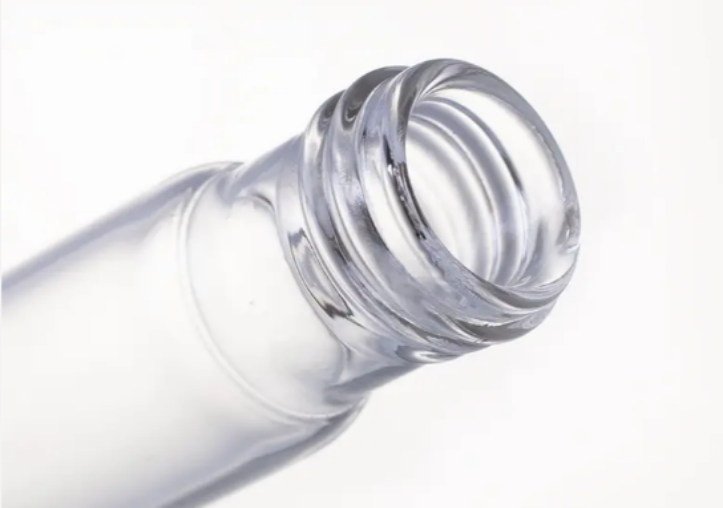
These specialized tubes provide an excellent case study for material performance under extreme laboratory conditions. Manufactured from clear, high-purity medical-grade borosilicate glass, these digestion tubes are engineered to withstand continuous thermal stress and chemical decomposition processes. A key technical feature is the integration of an airtight seal, typically achieved via high-precision threaded closures combined with chemically inert septa or liners, preventing the escape of volatile organic compounds or hazardous acid fumes during high-temperature digestion. The structural uniformity of the glass walls prevents thermal shock fracturing, while the precise physical dimensions ensure perfect compatibility with standard laboratory heating blocks and spectrophotometers. Evaluating these fine engineering details allows buyers to verify whether a supplier's product line can handle high-pressure applications without structural failures.
Step 5: Evaluating Customization Capabilities and Strategic Service Frameworks
The final step in the sourcing matrix involves assessing the supplier's capacity to deliver tailored engineering solutions and long-term service stability. Standard off-the-shelf components may not fulfill the complex geometric or material needs of proprietary analytical equipment or unique field-testing kits. Therefore, a manufacturer's capacity for professional customization services—ranging from custom industrial design to rapid sample prototyping—remains crucial.
A reliable partner must demonstrate flexibility by accepting both Original Equipment Manufacturer (OEM) and Original Design Manufacturer (ODM) cooperation models. Beyond technical capability, the supplier's corporate philosophy must balance quality with high operational integrity. Evaluating how a company handles technical troubleshooting, responds to unexpected supply chain disruptions, and maintains transparent communication provides the final assurance needed for an enduring international partnership.
Achieving Long-Term Operational Stability
Sourcing premium laboratory glass from China to Australia represents a strategic opportunity for organizations to optimize their operational expenditure while maintaining world-class analytical standards. By utilizing a structured, five-step evaluation framework focused on automation scale, cleanroom compliance, pharmacopoeia adherence, precise technical engineering, and flexible custom capabilities, procurement professionals can establish highly dependable supply chains. In an industry where accuracy cannot be compromised, partnering with a manufacturer that combines technological innovation with strict adherence to international quality standards guarantees that every sample remains secure, uncontaminated, and compliant.
For more technical data and product catalogs, please visit the official corporate portal at https://www.huaxinglass.com/
ANHUI HUAXIN PHARMACEUTICAL GLASS PRODUCTS CO.,LTD
ANHUI HUAXIN PHARMACEUTICAL GLASS PRODUCTS CO.,LTD
email us here
Legal Disclaimer:
EIN Presswire provides this news content "as is" without warranty of any kind. We do not accept any responsibility or liability for the accuracy, content, images, videos, licenses, completeness, legality, or reliability of the information contained in this article. If you have any complaints or copyright issues related to this article, kindly contact the author above.
