

Chinese Neurosurgical Journal Reports Novel Surgical Approach for Refractory MS-Related Trigeminal Neuralgia
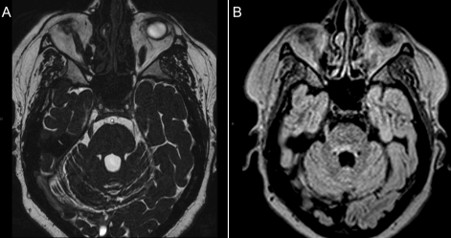
Novel surgical approach provides 43-month pain relief in a patient with treatment-resistant MS-related trigeminal neuralgia
BEIJING, BEIJING, CHINA, July 16, 2026 /EINPresswire.com/ -- Multiple sclerosis related trigeminal neuralgia (MS-TN) is one of the most painful neurological complications experienced by people living with multiple sclerosis. Compared with classical trigeminal neuralgia, MS-TN is often more difficult to treat, more likely to recur, and less responsive to both medical and surgical interventions. The condition is believed to arise from demyelination affecting the trigeminal pathways within the brainstem, leading to abnormal nerve signaling and severe episodes of facial pain. For patients who fail conventional therapies, treatment options become increasingly limited.Now, a case report by Dr. Thomas Patrick Short and Dr. Chandrasekaran Kaliaperumal from the Department of Neurosurgery, Royal Infirmary of Edinburgh, UK, published in Volume 12, Issue 14 of the Chinese Neurosurgical Journal in May 14, 2026, describes a novel salvage surgical approach that provided durable pain relief for a patient with severe, treatment-resistant MS-TN. “Our study reports a salvage surgical approach combining internal neurolysis and targeted proximal trigeminal root glycerol injection for refractory MS-related trigeminal neuralgia,” explains Dr. Short.
The patient was a 50-year-old woman with relapsing-remitting multiple sclerosis who suffered from debilitating right-sided facial pain affecting the maxillary and mandibular branches of the trigeminal nerve. Her symptoms significantly interfered with daily activities such as speaking, eating, and facial contact. Despite extensive treatment, including anticonvulsant medications, two percutaneous glycerol rhizotomies, and Gamma Knife radiosurgery, she continued to experience severe breakthrough pain requiring ongoing medical management. Advanced magnetic resonance imaging demonstrated multiple demyelinating lesions consistent with multiple sclerosis, including abnormalities extending toward the trigeminal root entry zone. Importantly, no evidence of neurovascular compression was identified. Because conventional microvascular decompression relies on the presence of a compressive blood vessel and was therefore not appropriate, the patient was evaluated by a multidisciplinary team to explore alternative treatment strategies. The surgical team performed a retrosigmoid posterior fossa exploration.
During surgery, no neurovascular conflict involving the trigeminal nerve was identified. Internal neurolysis, commonly referred to as “nerve combing,” was performed to mechanically separate trigeminal nerve fascicles without intentionally cutting the nerve fibers, thereby disrupting abnormal signaling pathways that may contribute to pain generation. This was followed by targeted delivery of a small volume of anhydrous glycerol to the proximal cisternal segment of the trigeminal root adjacent to the radiologically relevant demyelinating lesion. The goal was to provide focal chemical neurolysis at a more proximal anatomical location than that targeted during previous percutaneous procedures. The patient experienced immediate postoperative improvement in facial pain. Importantly, sensation in the trigeminal nerve distribution was preserved, and there were no new neurological deficits, corneal dysfunction, or clinically significant facial numbness. Although her early postoperative recovery was complicated by a wound infection requiring surgical washout and antibiotic treatment, no trigeminal nerve–related complications were observed.
Long-term follow-up demonstrated a durable response. Five months after surgery, the patient reported substantial improvement with only occasional residual pain. At one year, she remained free of recurrent trigeminal neuralgia on the treated side, with pain improving from a preoperative Barrow Neurological Institute (BNI) pain intensity score of V to a postoperative score of I, and had significantly reduced her medication requirements. Follow-up evaluations at 19, 26, and 43 months continued to show sustained pain freedom on the operated side. While she later developed intermittent facial pain on the opposite side, this was successfully controlled with low-dose medication and did not represent recurrence of the original symptoms. According to the authors, the case highlights the potential role of root-level surgical strategies in carefully selected patients with refractory MS-TN who have exhausted medical, percutaneous, and radiosurgical options. However, they caution that the findings should be interpreted carefully. “To our knowledge, this represents the first published report of this combined technique in trigeminal neuralgia secondary to multiple sclerosis,” said Dr. Short.
The authors conclude that this novel approach should be regarded as hypothesis-generating rather than practice-defining. Nevertheless, the durable pain relief observed in this highly challenging case suggests that further research may be warranted to evaluate whether combined internal neurolysis and targeted proximal trigeminal root glycerol delivery could offer a future salvage option for selected patients with treatment-resistant multiple sclerosis–related trigeminal neuralgia.
Reference
Title of original paper: Combined internal neurolysis and targeted proximal trigeminal root glycerol delivery for refractory multiple sclerosis–related trigeminal neuralgia: a case report
Journal: Chinese Neurosurgical Journal
DOI: 10.1186/s41016-026-00433-x
About Chinese Neurosurgical Journal
The Chinese Neurosurgical Journal is an international, peer-reviewed, open-access journal dedicated to advancing clinical practice and research across all areas of neurosurgery. As the official journal of the Chinese Neurosurgical Society, it publishes cutting-edge studies on neurosurgical techniques, neuro-oncology, cerebrovascular disease, trauma, spinal disorders, and emerging neuroscience trends. The journal emphasizes clinically relevant innovations that improve patient outcomes, surgical decision-making, and multidisciplinary care worldwide. Indexed in major databases including PubMed Central, Scopus, and DOAJ, it ensures high visibility and accessibility for global researchers and clinicians while promoting collaboration, education, and knowledge exchange across disciplines in neurological science. Website: https://cnjournal.biomedcentral.com/
About Royal Infirmary of Edinburgh
The Royal Infirmary of Edinburgh is one of Scotland's leading teaching hospitals and a major center for neurological and neurosurgical care. As part of NHS Lothian and affiliated with the University of Edinburgh Medical School, the hospital is recognized for its contributions to clinical care, medical education, and research. Its Department of Neurosurgery provides specialized care for disorders affecting the brain, spine, and nervous system, including cranial nerve disorders and chronic pain conditions. Through multidisciplinary collaboration and clinical research, the hospital contributes to advances in neurosurgical practice and patient care.
Website: https://www.nhslothian.scot/goingtohospital/royal-infirmary-of-edinburgh/
About Dr. Thomas Patrick Short from Royal Infirmary of Edinburgh
Dr. Thomas Patrick Short is affiliated with the Department of Neurosurgery at the Royal Infirmary of Edinburgh, UK. His research interests include cranial nerve disorders, functional neurosurgery, and the surgical management of complex neurological pain syndromes. In this study, he served as the lead author and primary manuscript drafter, reporting a novel salvage surgical approach for refractory multiple sclerosis-related trigeminal neuralgia. His work contributes to ongoing research aimed at improving treatment options for patients with complex neurosurgical conditions.
Funding information
This research received no specific grant from any funding agency in the public,
commercial, or not-for-profit sectors.
Yi Lu
Chinese Neurosurgical Journal
1059978478 ext.
luyi617@sina.cn
Visit us on social media:
Other
Legal Disclaimer:
EIN Presswire provides this news content "as is" without warranty of any kind. We do not accept any responsibility or liability for the accuracy, content, images, videos, licenses, completeness, legality, or reliability of the information contained in this article. If you have any complaints or copyright issues related to this article, kindly contact the author above.
